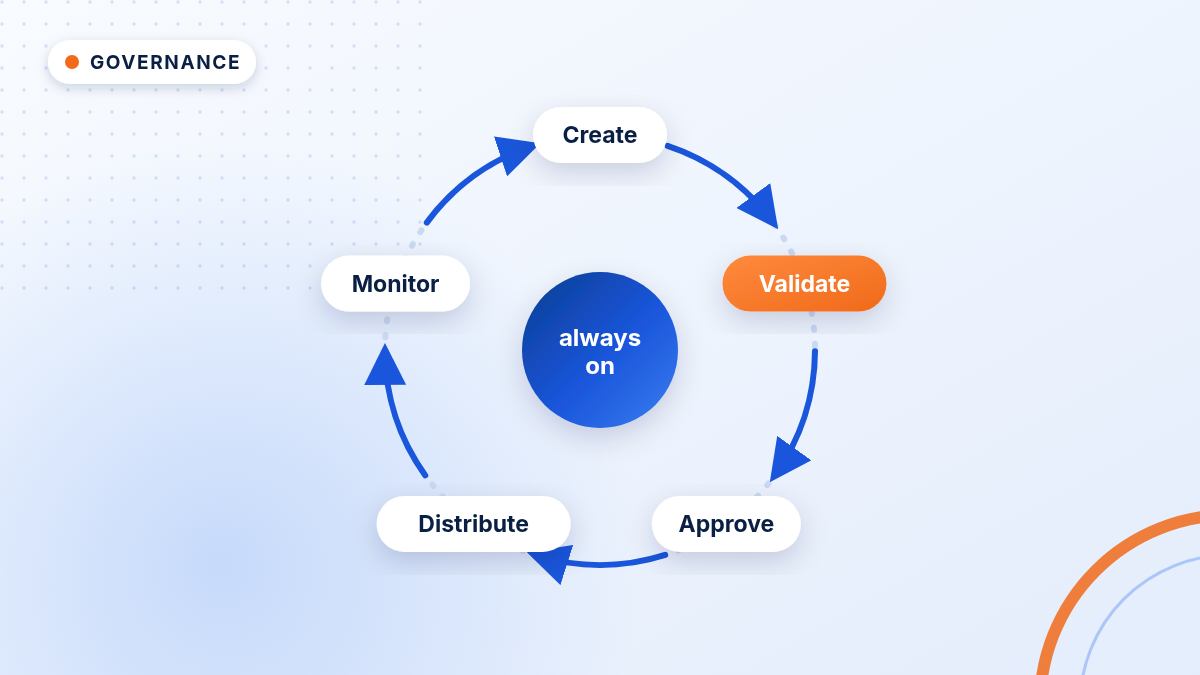
Data governance is an ongoing business process, not a one-time job for the data team.
When MDG arrived in 2011, many organizations handed it to their data teams, because of the word "data". Some never corrected that, and today their MDG is implemented in a way that doesn't fit how the business works.
What I've seen on those projects: for the first half, the client data team and the SI data team slowly realize the real questions are about business processes, such as who approves a supplier, what a finance controller must check, and how sales and supply chain use the record. For the second half, everyone races to catch up, and quality suffers.
Business teams in Finance, Sales and Distribution and Supply Chain are often expected to hand over clear requirements, but they haven't been asked to think about governance before, so the requirements stay vague.
In my experience, people with a functional background in SD, Finance or MM who learn MDG pick up the governance side faster, because they already know how the data is used. Data skills matter, but they're one part of a functional process.
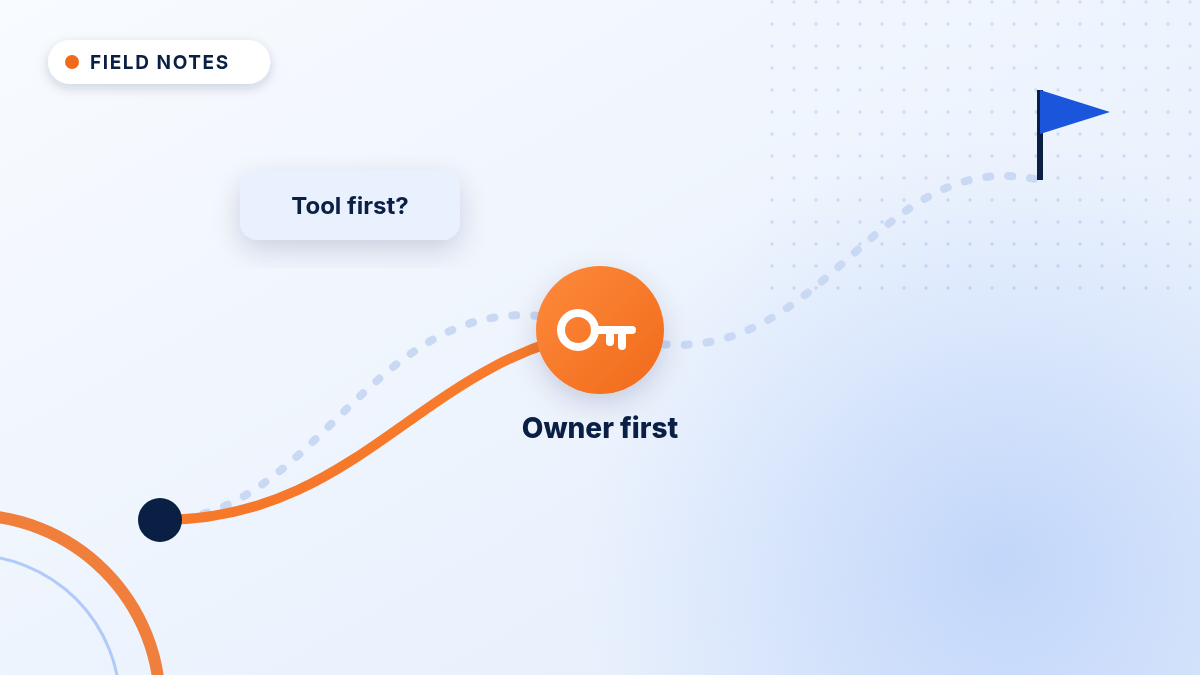
The same pattern shows in tool choice. Teams that see governance only as a data problem often don't consider platforms like Reltio as an alternative to MDG, because the discussion stays about data and never reaches how the business runs the process.
If you want MDG to survive and keep improving after go-live, treat it as a business process with business owners, and bring in the data expertise to support it.
#SAPMDG #MasterDataGovernance #SAP